
4V T1a Formal Letter B1+

!
This is a book task: you write about the novel you have read for English. Make sure you have finished reading your book before lesson 2.
The Story Behind This Task
You are…
A reader with a mission!
You have just read a novel that you think more people should know about. You are going to write a formal letter to the publisher of that book: the company that publishes it, usually in the UK or the USA.
In your letter you:
- introduce yourself and the book;
- show the publisher why this book works so well for readers like you (plot, characters, themes, literary devices, target audience, similar novels);
- formally request an online question-and-answer session (a video call) with the author for your class.
You write as yourself, a real reader: you do not pretend that you wrote the book. Your teacher may really send the best letters.
Why this task?
A formal letter has strict conventions: layout, salutation, register, closing. You practise them now, with feedback, so that you can do it on your own in the writing test at the end of the year: by hand, without a laptop.
At the same time you think and write about a book you chose yourself. This task is not graded: it is practice with feedback for the writing test.
Important: finish your book before lesson 2. You need it for every paragraph of your letter.
Duration
Three weeks: 12 October – 6 November, two lessons a week for this task. Your third English lesson of the week is for your non-fiction book and the synthesis lessons.
- Lesson 1 (12–16 Oct) – Explore: the expert example
- Lesson 2 (12–16 Oct) – Produce: plan, layout, introduction
- Autumn holiday 19–23 October
- Lesson 3 (26–30 Oct) – Feedback + Grow, start the body
- Lesson 4 (26–30 Oct) – Produce II: body, conclusion, ending
- Monday 2 November – deadline (Magister + printed)
- Lesson 5 (2–6 Nov) – Show
- Lesson 6 (2–6 Nov) – writing-test practice by hand
See the full planning below.
Rewards
You can earn 600XP with this task.
You can earn 20 extra GEMS in total for this task. These are based on:
– using great concise language
– using great formal language
– using advanced literary terminology
You only get these gems if your work is better than what the task asks.
Planning
| When | In class (2 lessons a week) | Outside class (study hour or at home) |
|---|---|---|
| 12–16 October | Lesson 1 – Explore: your teacher walks you through the expert example (Step 1). Then: Steps 2–4. Lesson 2 – Produce: plan your letter and write the layout and the introduction (Steps 7–8). | Vocabulary set 1 + checks (Steps 5–6 and 9–10). |
| 19–23 October | Autumn holiday – no lessons. | Nothing compulsory. Finish your introduction if you did not finish it in class. |
| 26–30 October | Lesson 3 – Feedback + Grow: give and get feedback with the rubric, improve your layout and introduction (Steps 11 and 14). Start the body (Step 17). Lesson 4 – Produce II: body, conclusion and ending (Steps 17–19). | Vocabulary set 2 + checks (Steps 12–13 and 15–16), set 3 + checks (Steps 20–21). Finish your letter, answer the reflection questions (Step 22), check and print (Step 23). |
| Monday 2 November | DEADLINE – letter in Magister + printed letter with you in your first English lesson of the week (Step 24). | – |
| 2–6 November | Lesson 5 – Show: hand in your printed letter, show your notebook, score a classmate’s letter with the rubric (Step 25). Lesson 6 – Writing-test practice: write part of a new formal letter by hand, without a laptop (Step 28). | Vocabulary set 3 again + checks (Steps 26–27). |
Deadline: Monday 2 November. Upload your letter in Magister (hand-in box 4V T1a Formal Letter Show Phase) on Monday 2 November at the latest, and bring it PRINTED to your first English lesson of that week.
Choose your route
Everyone writes the same letter, but you choose how much support you need. Discuss it with your teacher if you are not sure.
| Route | Length (body text, without addresses) | Vocabulary words (highlighted) | What is different? |
|---|---|---|---|
| Support | 230–280 words | 15 words | Use the letter frame (sentence starters) in every step. You may combine “literary devices” and “audience + similar novel” into one paragraph. |
| Core (everyone) | 330–400 words | 25 words | All parts of the letter, as in the expert example. |
| Challenge (aim for B2) | 400–470 words | 30 words | All parts + one short quotation from your book that you explain, and a real comparison with a similar novel (what is the same, what is different). Extra: the Mining Expedition. |
About ChatGPT, Google Translate and other apps
You may use ChatGPT (or Google) for one thing only: finding or making up an address, if you really cannot find the publisher’s address on the copyright page of your book or on the publisher’s website.
Do not let ChatGPT, Google Translate, DeepL or any other app write or translate your sentences. Why not?
- Your teacher gives feedback on your English. If an app wrote the text, the feedback goes to the app (or to how well you can prompt), not to you. You do not grow.
- This task is practice: now it is only feedback. At the end of the year you write a formal letter in the writing test, and in the exam year as well – without a laptop, without apps, without a translator.
- If you did the work yourself, you have grown by then. If an app did it, you arrive at the finish line without the skills, and that is where it counts.
Stuck? Use the phrase bank, the expert example, your vocabulary booklet or a paper dictionary, or ask your teacher.
Rubric
Your classmate (Step 11, Step 25) and your teacher use this rubric. Use it yourself while you write.
| Criterion | Not yet | B1 | B2 |
|---|---|---|---|
| 1 Layout and conventions | Parts are missing or in the wrong place; salutation and closing do not match. | All parts in the right order with white lines; salutation and closing match; the date has the month in full. | As B1, and everything is complete and consistent (addresses, UK/US postal code order, enclosure line): it looks professional. |
| 2 Content and task | Required parts are missing, or there is hardly any information from the book. | All required parts are there; the facts about the book are correct; the request is clear. | As B1, and every claim is supported by a specific example from the book (scene, chapter, quotation); convincing for an editor. |
| 3 Structure and linking | No clear paragraphs; ideas jump around. | One point per paragraph; simple linking words (first, also, but, because). | Logical order; varied linking words (moreover, although, however, to sum up); paragraphs connect. |
| 4 Formal register | Informal words, contractions (I’m, don’t), slang or emojis. | Mostly formal and polite (I would like to …, could you …); a few slips. | Formal and polite all the way through; the tone suits a publisher. |
| 5 Language and vocabulary | Many errors that make the text hard to follow, or fewer highlighted vocabulary words than your route asks for. | Errors do not block understanding; the vocabulary words for your route are highlighted and used correctly. | Few errors; a wide range of words and sentence types (e.g. past perfect, relative clauses with who/which). |
Vocab
90 words for letters, literature and formal language, in three sets of 30.
Download the Vocabulary booklet (Word)
Grammar
related to:
- Past perfect
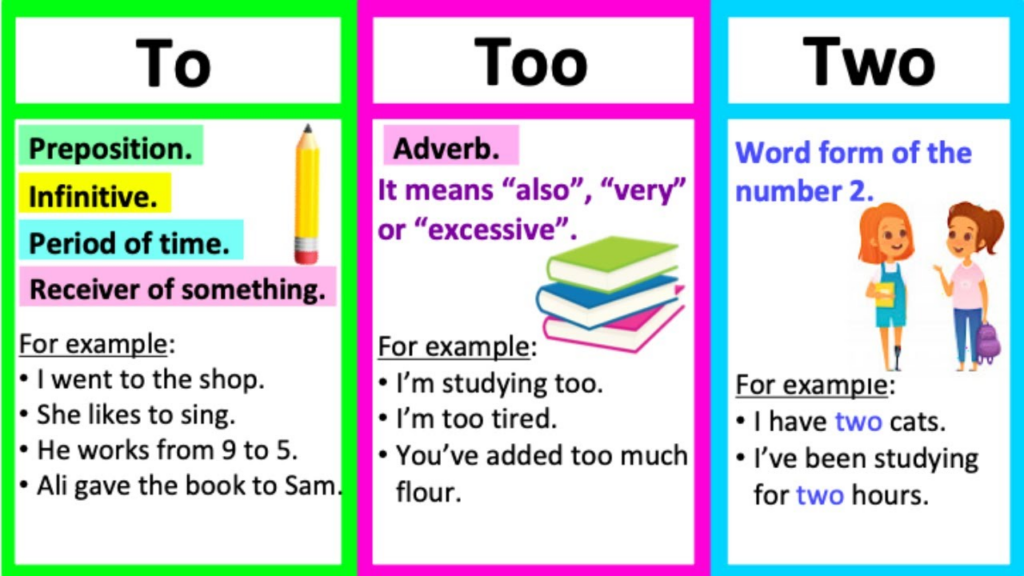
- to / too / two
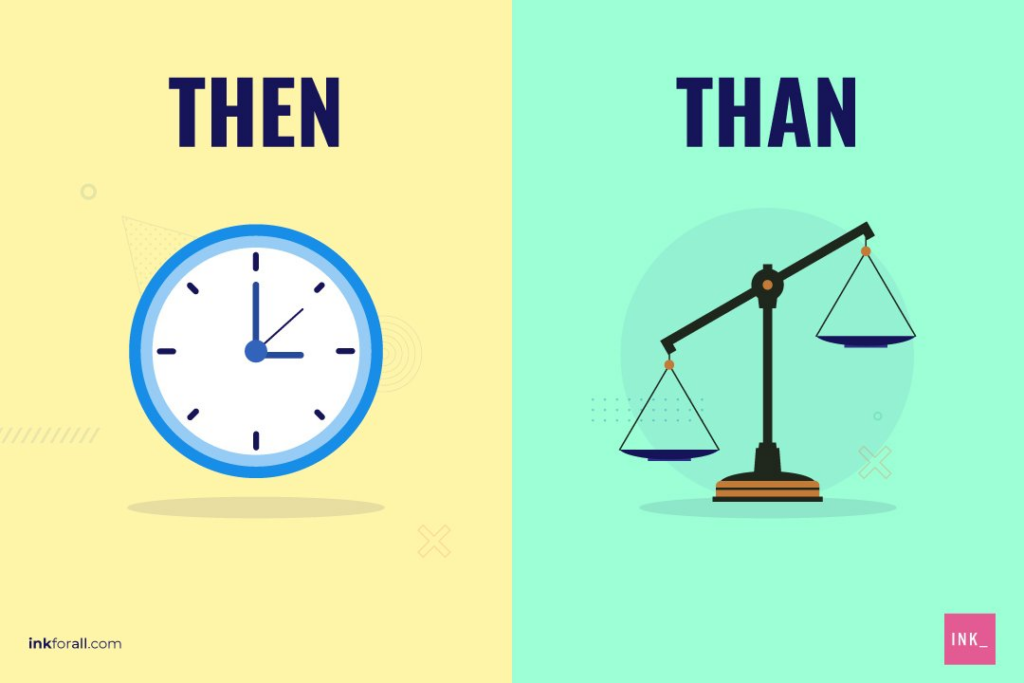
- than / then
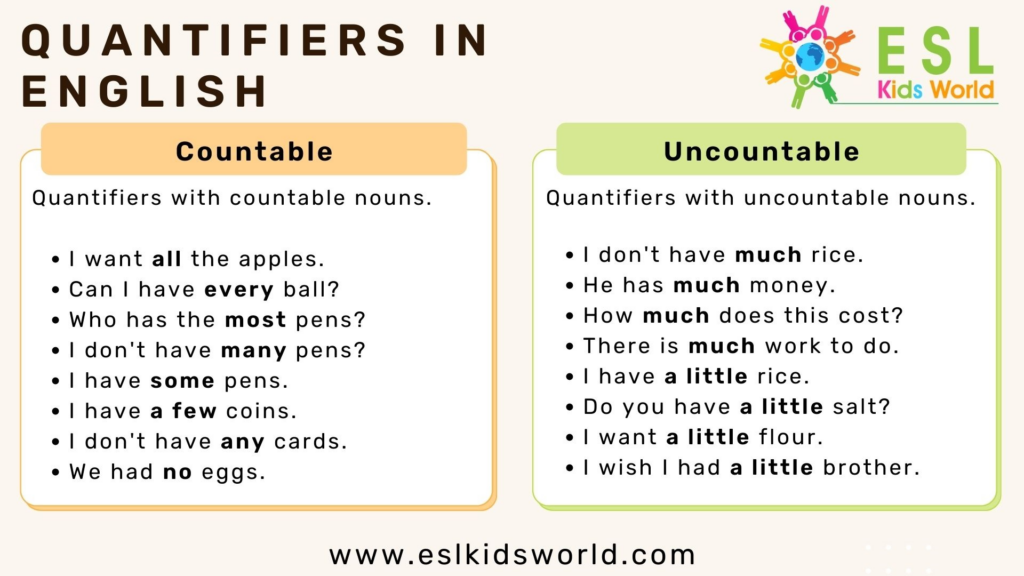
- Quantifiers (much, many, some, any, no, all)
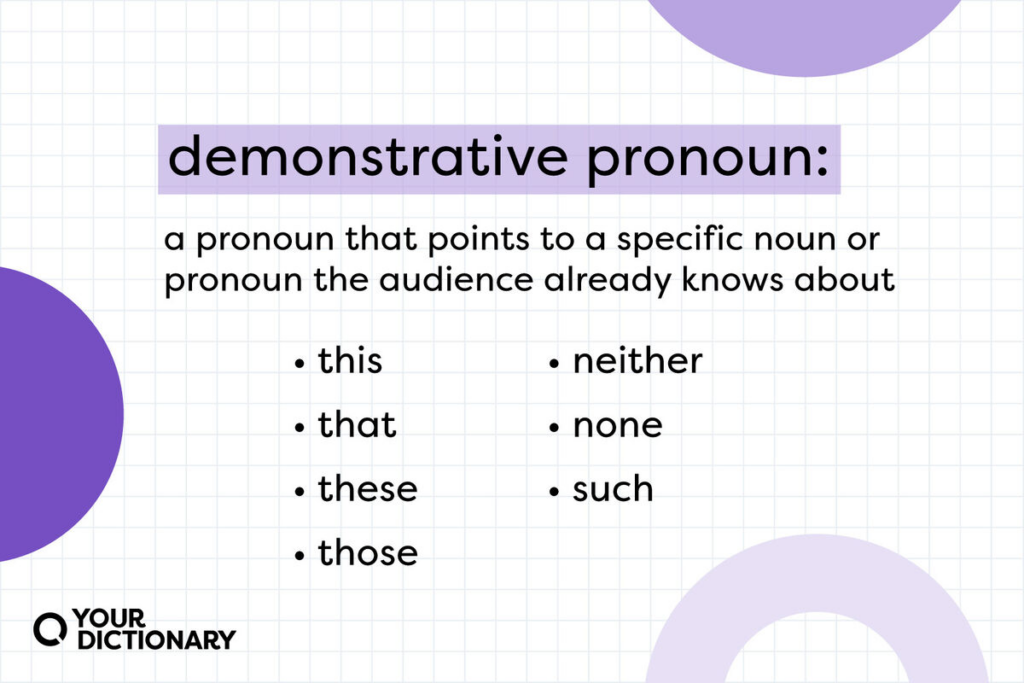
- Demonstrative pronouns (this, that, these, those)
Year and level
4 vwo
Writing: B1 → B2
Reading: B2 → B2+
Literature line: Modern + Shakespeare
Learning Goals
B1
Lezen

Schrijven

B2
Lezen

Link naar volledige leerdoelen kaart
De leerdoelen hierboven komen van de leerdoelkaarten B1 en B2 voor moderne vreemde talen (MVT). Zie deze link voor het volledige overzicht van de B1- en B2-leerdoelen.

Mining Expeditions
A literary agent!
You are…
A literary agent!
You help writers get their books published. It is your job to create a pitch for a publishing house: a short, persuasive summary (150–200 words) that explains why the publisher should accept the book.
For this task:
- Choose another book you have read (not the one you write your formal letter about). Imagine you are the literary agent who wants to get this book published.
- Write a pitch to a publisher in which you:
- Summarize the key elements of the book (plot, characters, themes) in a brief and engaging way.
- Explain why this book will be successful in the market (e.g., what makes it unique, who will want to read it, and why it will sell well).
- Convince the publisher that they should publish the book.
Key points to include:
- Hook: A catchy sentence or two that grabs attention (why this book is special).
- Summary: A short paragraph summarizing the plot and main characters.
- Market Appeal: Explain who the target audience is and why this book will interest them.
- Closing Statement: Finish with a strong, persuasive statement about why the publisher should not miss out on this opportunity.